Strategy
Part of Trade show marketing: what to settle before you book a stand
What a trade show marketing strategy framework means for England exhibitors
Build a trade show marketing strategy for England using four gates—objectives, audience, channels and measurement—with guidance on budget, venues and follow-up.
What to take away
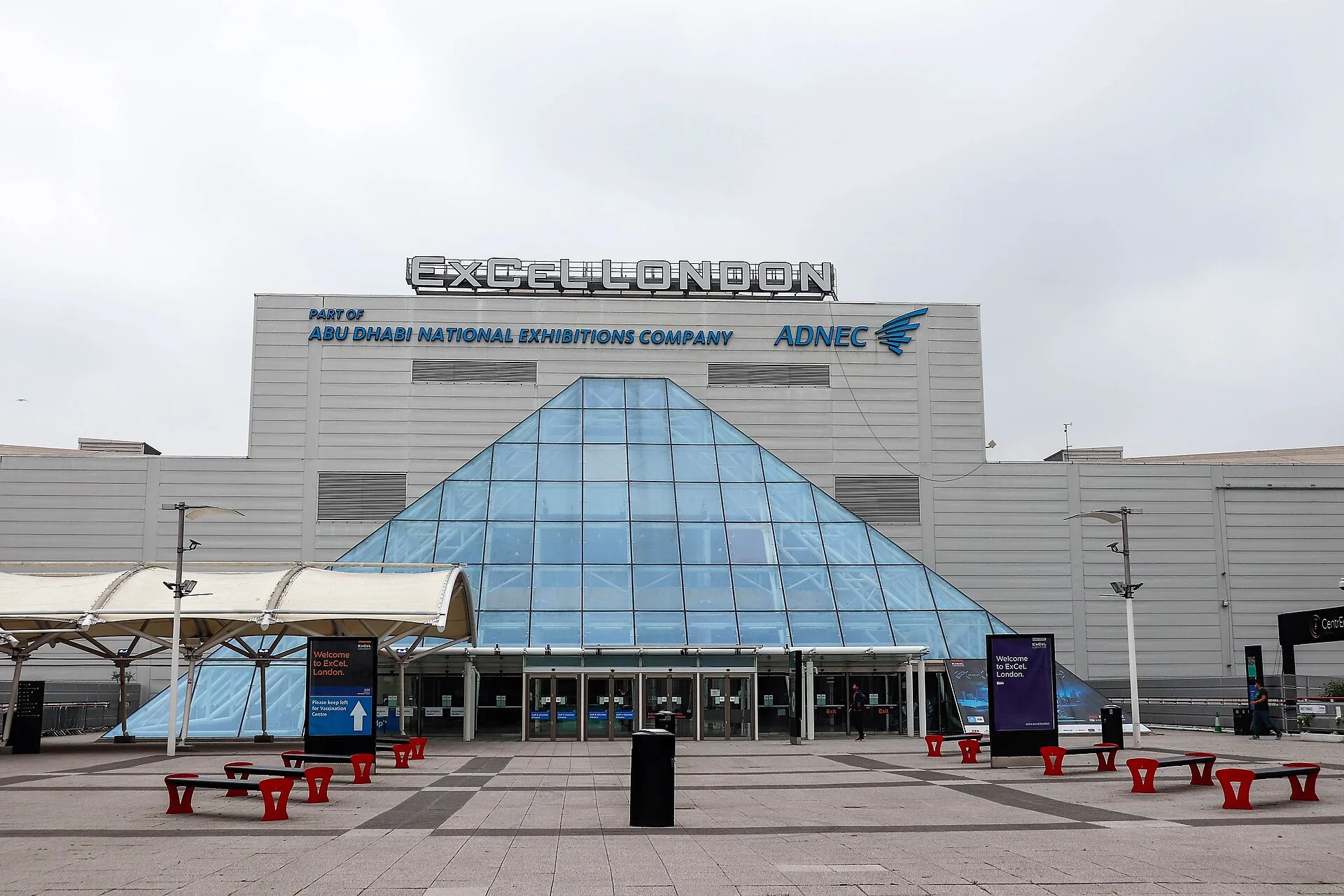
- England's exhibitions run on a calendar that books out early, so a framework built around one flagship event and two supporting ones beats a list of maybes. Check Venue diaries for ExCeL London, the NEC, Olympia London and Manchester Central, and check organiser calendars from CloserStill Media, Informa and Hyve Group before fixing dates and creative.
- Google Ads changed how it reports and optimises search campaigns for lead generation, which affects how you capture stand enquiries. Its guidance on campaign optimisation is worth reading before you set budgets.
- The framework has four gatesobjective, audience, channel mix and measurement. Each gate needs a named owner and a written pass or fail decision.
- Budget follows the gates, not the other way round. A team that commits spend before the audience gate cannot tell a bad stand from a bad list.
Why does the objective gate come first?
An objective you cannot measure is a slogan. Write one sentence that names the outcome, the number and the date. For example, a machinery supplier might target 40 qualified quotes from a three-day Midlands show by 30 June 2027.
Objective gate example
- 40qualified quotes
- 3day Midlands show
- 30 June 2027deadline
The objective decides everything downstream: stand size, staff numbers, follow-up cadence. If two people disagree about the objective, the stand design meeting will not resolve it.
Use the trade show marketing strategy and planning guide for 2027 to pressure-test the objective against the wider annual plan before you brief any supplier.
Who are you actually trying to meet?
Build the audience from last year's badge scans and your own CRM, not from a hunch. Group contacts by buying role, stage and sector, then rank the groups by revenue potential. Before using badge scans or CRM records for invitations, document the UK GDPR lawful basis and provide a privacy notice explaining how the data will be used. For email or text marketing, check the relevant requirements under the Privacy and Electronic Communications Regulations 2003 (PECR); the Information Commissioner's Office (ICO) publishes guidance on direct marketing and data protection.
Build the audience
- Pull last year's badge scans
- Add your own CRM contacts
- Group by buying role
- Group by stage and sector
- Rank groups by revenue potential
A print invitation still works when the list is tight. Segment the mailing by buying role, stage and sector, use a clear response route, and track responses against each audience group. That makes it possible to judge whether the mailer earned its place in the channel mix.
If the audience spans several sectors, split the plan. One stand cannot speak to a hospital trust and a car plant at the same time.
Which channels carry the plan?
Channels sit in three layers: before, during and after. Before covers invitations, ads and diary booking. During covers stand conversations and demos. After covers follow-up within five working days.
Paid search is the workhorse for people already looking. Google's own guidance on running successful Google Ads campaigns explains how bidding and reporting interact, which matters when you judge cost per stand meeting.
Decide the mix once, in writing, then protect it. For each channel, state the action it should trigger and how you will record the response, so the channel mix stays tied to the objective.
What does the measurement gate check?
Before launch, name the measures, data source, owner and target: for example, record spend, enquiries, qualified meetings and resulting sales opportunities in the CRM. The gate passes only when the team has agreed what counts as qualified activity and what action to take if a channel misses its target.
How do you set and hold the budget?
Split the budget into three pots: stand and build, promotion, and follow-up. Promotion is usually the pot cut first and the one that decides attendance.
Set a cost per qualified meeting you are willing to pay, then work backwards. For example, a team paying £400 a month for ads plus £6,000 for a stand might target 60 qualified meetings at £150 each. Treat these figures as an illustrative planning example, not as venue or supplier price benchmarks.
Review at two points: eight weeks out and two weeks after. Kill a channel that misses its gate. Do not reallocate silently.
Do you need training to run this?
The framework is simple; the discipline is not. Most failures come from weak objectives and late follow-up, not from poor stand design.
Structured strategy training helps planners who have never built a channel mix. The CIM strategy and planning courses cover objective setting and campaign planning that transfers directly to exhibition work.
Assign one owner per gate. A framework with no owner is a document, not a plan.
Decision table
Choose
- First time at a national show
- One flagship event, small stand, heavy pre-booking
- Strong CRM but weak stand traffic
- Targeted invitations and diary booking
- Long sales cycle
- Follow-up sequence over 90 days
- Tight budget
- Paid search plus a precise invite list
- Multiple sectors
- Two stand zones or two events
Avoid
- First time at a national show
- Booking three shows at once
- Strong CRM but weak stand traffic
- Broad social ads
- Long sales cycle
- One email after the show
- Tight budget
- Sponsorship packages
- Multiple sectors
- One generic message
Common questions
When should planning start for a 2027 show?
Work backwards from the show date. Allow six months for stand design and build, and three months for promotion. For a March 2027 event, that means starting around September 2026.
How many channels should a small exhibitor use?
Three is usually enough: one paid channel, one direct invitation route and one follow-up sequence. More channels dilute the budget before the stand is even booked.
What is the single biggest failure point?
Follow-up. Meetings booked on the stand but not contacted within five working days rarely convert, whatever the stand cost.
Does the framework change in Scotland or Wales?
No. The commercial logic is the same. Only venue availability and travel costs differ, so adjust the budget line, not the gates.