Tools and providers
Part of Modular vs custom exhibition stands: which is right for your UK trade show?
Modular vs custom exhibition stands: which is right for your UK trade show?
Compare modular and custom exhibition stands for UK trade shows: reusability, lead times, venue height limits and where each build type pays off.
What to take away
- Modular stands rebuild in new shapes and reuse most components, so the cost per show falls each time you exhibit. They suit exhibitors booking three or more shows a year.
- Custom stands give maximum design freedom and fit awkward or double-deck spaces, but the build usually serves one show.
- Venue rules on height, rigging and build windows often settle the choice before budget does.
- Hybrid builds, a modular frame with bespoke graphics and a custom counter, are the common middle path.
How the two build types differ
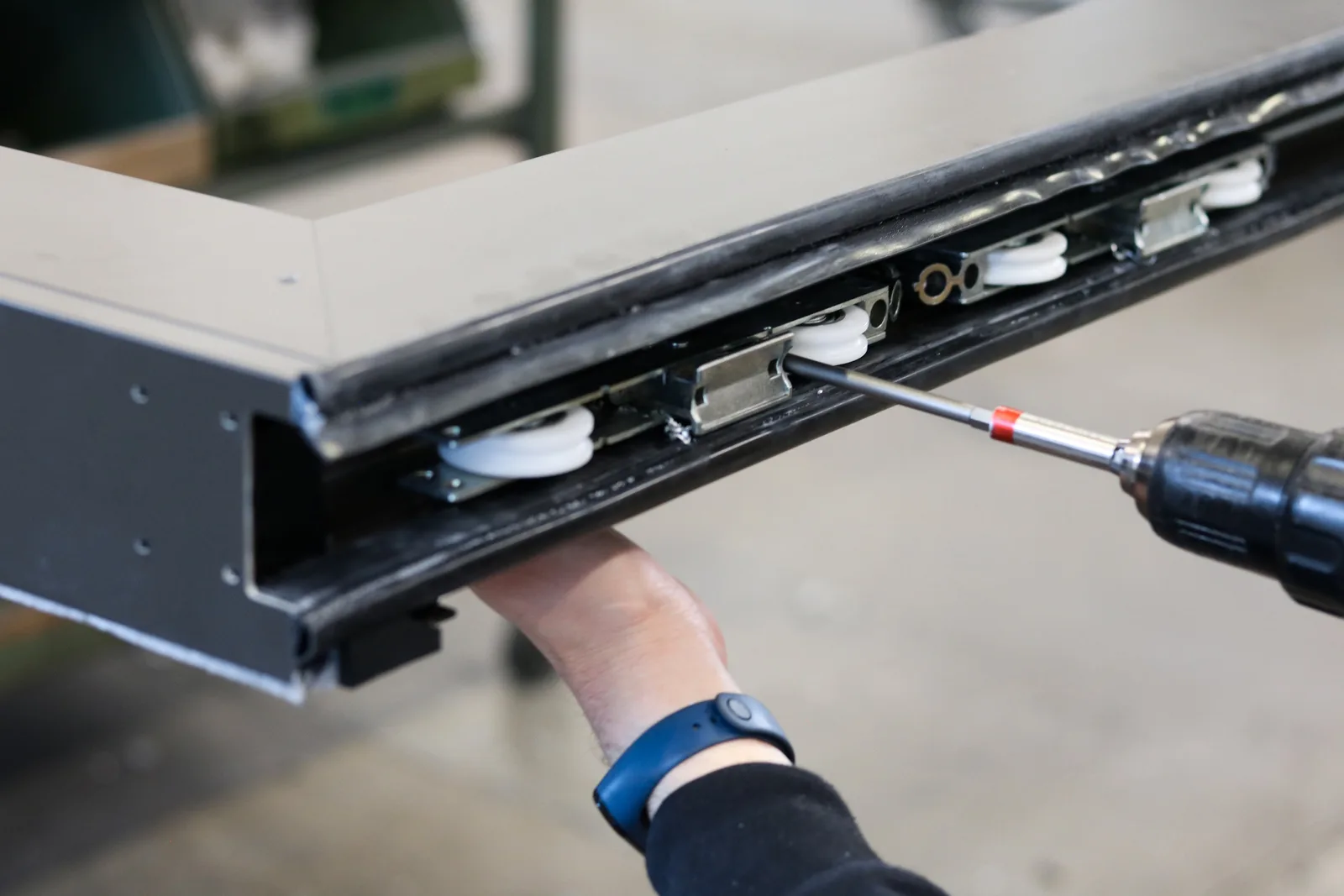
Modular stands arrive as a kit: aluminium frames, tensioned fabric or panel graphics, standard counters and shelving. Components pack flat, ship in cases and rebuild at the next show. Graphics are usually the only part you replace.
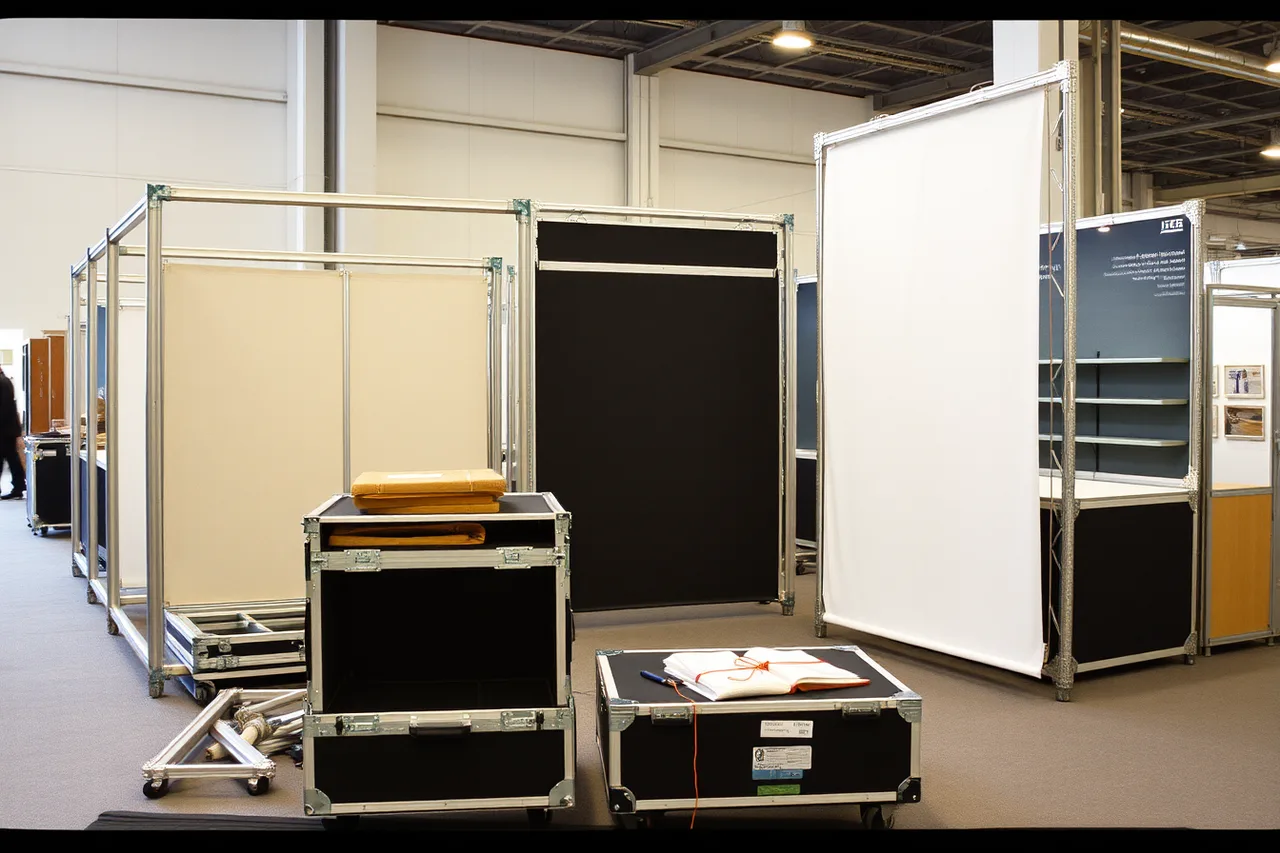
Custom stands are designed around one floor plan. Bespoke joinery, curved walls, integrated lighting and raised floors are built to the venue's dimensions. If you commission a bespoke design, agree in writing who owns the drawings before work starts; the Copyright, Designs and Patents Act 1988 sets the default position on ownership.
Neither option is a quality judgement. A well-designed modular stand can look premium, and a poorly detailed custom build can look dated.
Reusability decides the maths
Take an illustrative budget. A £15,000 custom build used at one show costs £15,000 per show. A £12,000 modular kit used at four shows costs £3,000 per show before storage and graphics. Those figures are illustrative, not quotes.
Material and labour prices move, so check the latest inflation and price indices from the ONS before you fix a stand budget.
Our guide to how exhibition stand costs break down per square metre shows which parts of a quote to compare line by line.
Lead times, height limits and build windows
Custom builds start with drawings and approvals, so they need a longer run-up than a modular kit ordered from stock. Modular systems ship in days or weeks, not months. Order graphics early, and confirm the artwork deadline in the contract.
Venue technical manuals set the limits that matter. Halls commonly set a height limit for space-only stands, with higher builds allowed only with structural sign-off and rigging permission. Always read the manual for each show, because rules differ between halls and between shows at the same venue.
Shows such as IFE, UK Construction Week and The Meetings Show publish their own build rules alongside the venue manual, so check the exhibitor documents for the show you have booked.
Build windows are tight, and the slot in the venue manual is not negotiable. Many venues treat stand building as construction work, so the HSE guidance on construction duties is worth reading before you appoint a contractor.
Compare the three routes
Use the table below to weigh the options before you ask for quotes.
Modular
- Reuse
- Rebuilt in new layouts
- Lead time
- Shortest
- Design freedom
- Set by the kit
- Height and weight
- Light, easy to rig
- Cost pattern
- Spread over several shows
- Storage
- Compact cases
Custom
- Reuse
- Usually one show
- Lead time
- Longest
- Design freedom
- Highest
- Height and weight
- Heavier, needs checks
- Cost pattern
- Concentrated in one
- Storage
- Racking, bulky
Hybrid
- Reuse
- Frame reused, graphics replaced
- Lead time
- Moderate
- Design freedom
- Medium
- Height and weight
- Mixed
- Cost pattern
- Split between both
- Storage
- Moderate
No single column decides the answer. Weight the factors by how many shows you will attend and how distinctive the stand must look.
Storage, transport and refurbishment
Storage is the cost that surprises exhibitors. A modular kit packs into a few cases that fit a small unit; a custom build needs racking, and painted or vinyl finishes mark in transit. Ask the supplier where the stand lives between shows and who repairs it.
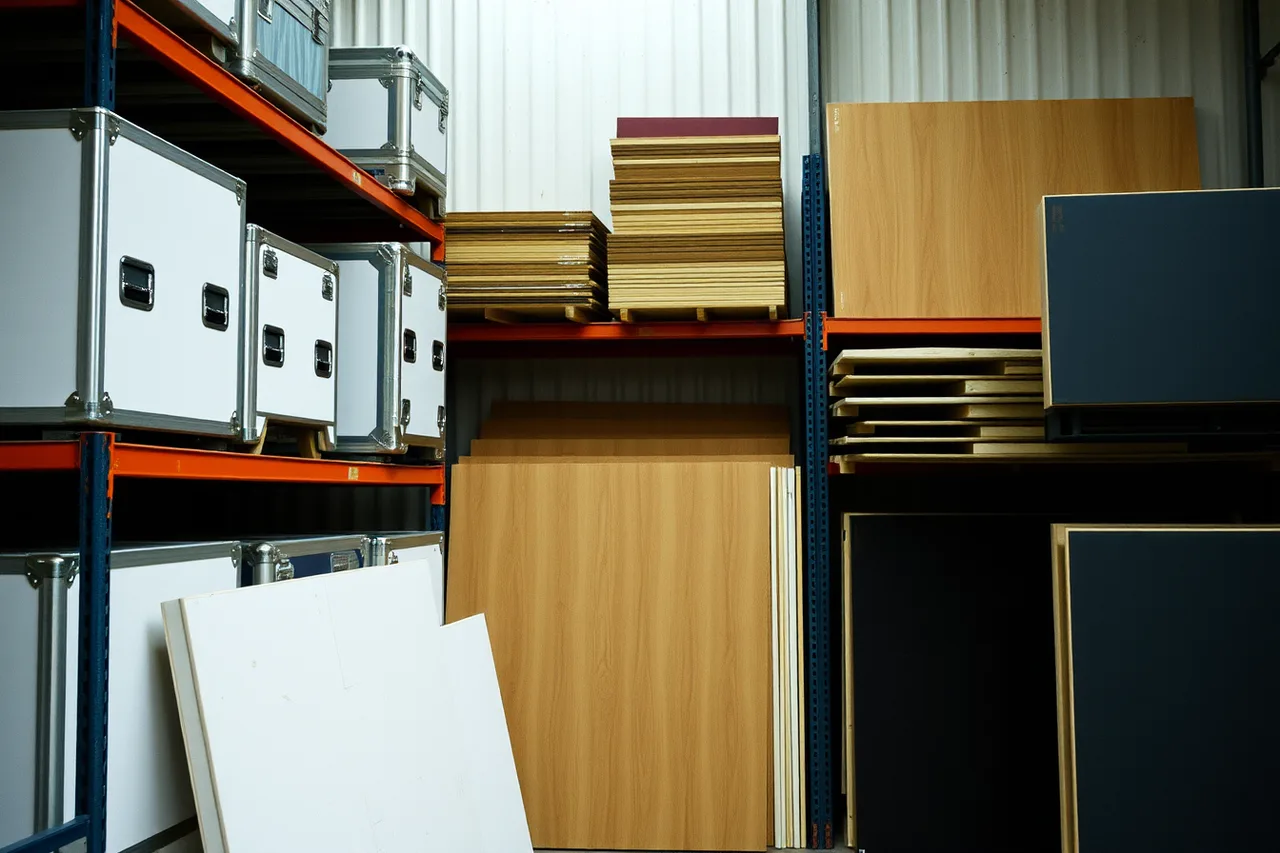
Refurbishment matters too. Modular graphics are cheap to reprint when a campaign changes; custom joinery is harder to alter without a workshop visit.
A five-step way to choose
- Count the shows you will attend over the next 24 months.
- Read the technical manual for each venue and note height limits, rigging rules and build slots.
- Brief two suppliers on the same stand brief so the quotes are comparable.
- Work out cost per show, including storage, transport and graphics refresh.
- Ask what sits outside the quote, using our guide to questions to ask an exhibition stand contractor as a start.
Common questions
Is a modular stand cheaper than a custom build?
Often, yes, but the difference narrows at a single show. Modular wins clearly when you reuse the same kit across several events.
Can a custom stand be reused?
Yes, with planning. Store it, check that the next venue allows the same height and weight, and budget for repairs and new graphics.
Do UK venues limit stand height?
Yes. Each venue publishes its own limits in its technical manual, and higher builds usually need structural sign-off and rigging permission.